Intellectual property risk in an OEM toy project cannot be solved by adding one sentence to a purchase order. It begins with the origin of the concept and continues through design files, prototypes, tooling, packaging, marketing assets, production access, and disposal of remaining materials. A practical IP-aware workflow helps a buyer identify uncertain inputs before money is committed. This article offers general project-management information, not legal advice. Rights and obligations vary, so qualified legal guidance may be needed for a particular product or market.
Start with a clean account of where the idea came from
Before requesting a quotation, list every creative and technical input used in the product. That may include sketches, three-dimensional files, photographs, reference products, patterns, names, logos, packaging layouts, sound, software, and commissioned work. For each input, record who created it, when it was received, the original source, what permission applies, and any limits on modification, manufacturing, marketing, territory, or duration.
Do not assume that an image found online, a file supplied by a contractor, or a concept produced with a digital tool is automatically cleared for commercial manufacture. Likewise, payment for design work does not by itself explain every permitted use. Preserve agreements, licenses, invoices, source files, and written approvals in a project folder that can be reviewed before release.
Separate inspiration from production instructions
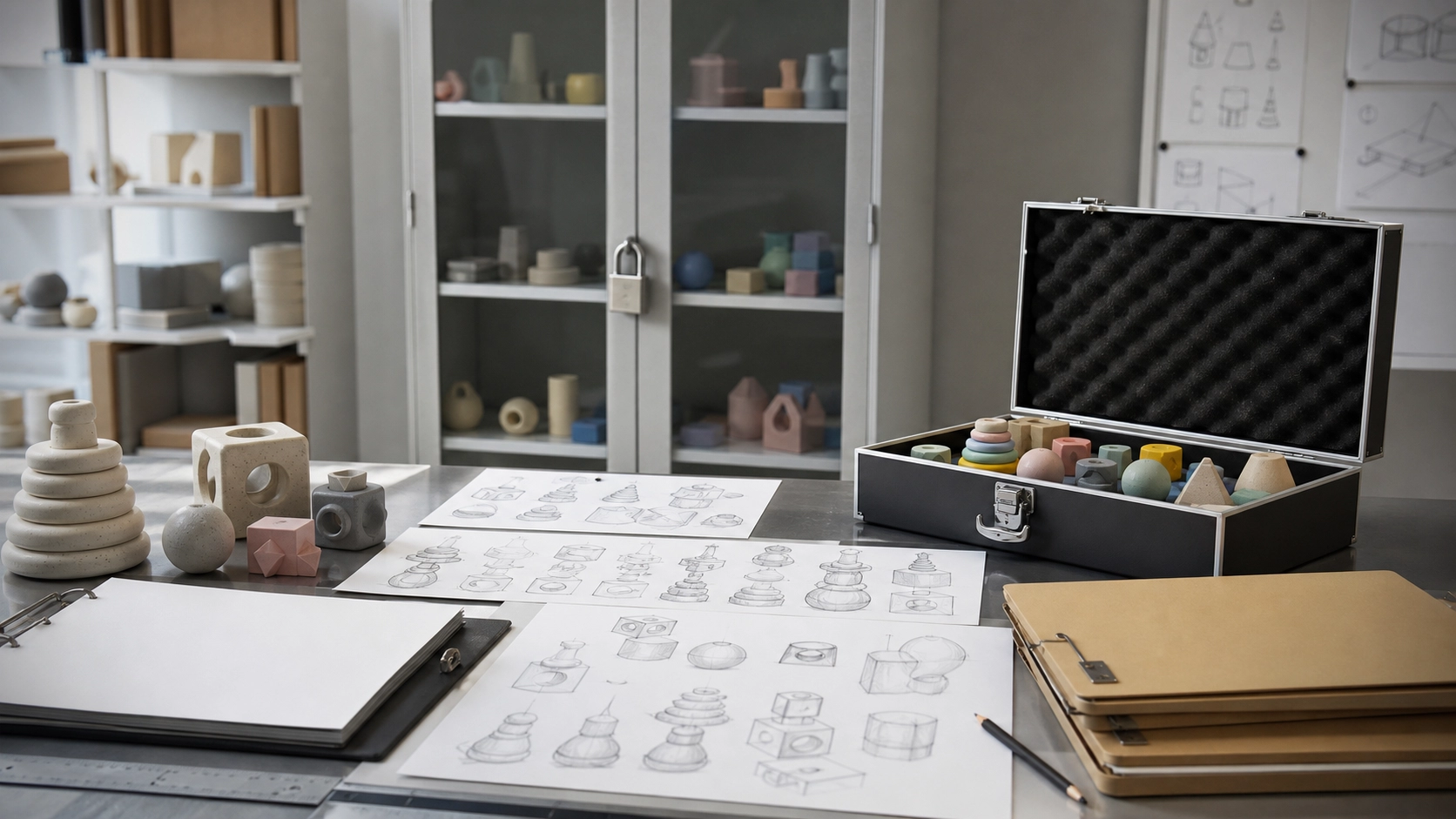
Reference images can communicate mood, proportions, finish, or mechanical ideas, but they can also cause a development team to reproduce distinctive third-party elements too closely. Label references by purpose and explain what may and may not be carried into the new design. Ask designers to create original forms and retain intermediate sketches that show the development path rather than jumping directly from a third-party image to a production model.
Avoid sending recognizable characters, branded products, packaging, logos, or artwork as instructions to copy unless the necessary authorization has been confirmed for the project. Removing a name or changing a color does not necessarily resolve concerns about overall appearance or other protected elements. When similarity is uncertain, pause the design and obtain a qualified review before tooling or promotion.
Create a written rights and responsibility map
OEM projects involve buyers, designers, modelers, manufacturers, toolmakers, printers, photographers, and sometimes other specialists. A written responsibility map should identify who supplies each asset, who reviews its origin, who may modify it, who may access it, and who approves release. Contracts should be tailored by qualified advisers where needed; operational teams should not invent legal conclusions from informal messages.
Topics to clarify in project documents
- The identity and source of buyer-supplied and supplier-created files.
- Permitted manufacturing, modification, sampling, display, and marketing uses.
- Ownership or permitted use of drawings, digital models, prototypes, molds, fixtures, and packaging files.
- Confidentiality, access by subcontractors, and secure methods for sharing data.
- Territory, duration, quantity, channel, or product limits attached to any permission.
- Handling of rejected parts, overruns, remaining packaging, obsolete tools, and archived files.
- The process for reporting a concern and stopping work while it is reviewed.
This map is not a substitute for a properly drafted agreement. Its operational value is that people know what evidence is needed and who makes each decision. If the buyer states that it owns or may use an asset, keep the supporting record connected to the specific version supplied for production.
Use review gates before irreversible spending
IP review should happen at several stages, not only before launch. An initial gate checks the concept name, visual references, source records, and intended markets before detailed modeling. A design gate reviews the developed shape, artwork, decorative elements, and features before tooling. A packaging gate checks names, imagery, claims, photographs, fonts, and supplied graphics before printing. A launch gate confirms that the approved production and marketing versions match the reviewed materials.
At each gate, record the version, reviewer, date, open questions, evidence considered, and decision. A revision after approval should return to the relevant gate. This prevents a late decoration, accessory, name, or packaging image from bypassing the earlier review simply because the core toy shape did not change.
Check more than the product name
An IP-aware review considers multiple elements of the finished project. These can include names and symbols, sculptural appearance, illustrations, patterns, packaging presentation, product mechanisms, digital content, sounds, and promotional photography. Different rights may apply to different elements, and availability in one market or category does not automatically answer the question elsewhere.
General online searching can help identify obvious conflicts, but it is not a legal clearance opinion. Searches may miss unregistered rights, translated names, similar visual works, confidential obligations, or rights in other territories. Decide with qualified advisers what searches or formal reviews are appropriate for the commercial importance and risk of the project.
Protect files and prototypes during manufacturing
Once a project enters development, practical access controls reduce accidental disclosure and unauthorized reuse. Share only the files needed for a task, use named project folders and version control, limit download or forwarding where the system allows it, and remove access when a participant's work ends. Physical prototypes, printed artwork, test pieces, and rejected parts should also have clear storage and disposition instructions.
Useful manufacturing controls
- Identify confidential projects and approved recipients before transferring files.
- Use version numbers so obsolete geometry or artwork is not manufactured.
- Require approval before a new subcontractor receives protected project material.
- Restrict project photography, showroom display, portfolio use, and social posting.
- Track prototype, mold, fixture, and sample locations at agreed milestones.
- Document how scrap, overruns, rejected packaging, and obsolete files are returned, retained, or disposed of.
Keep marketing content inside the approved scope
Product pages, marketplace listings, advertisements, trade-show graphics, and distributor materials may introduce assets that were not present in the manufacturing file. Photographs can include unrelated designs in the background. A headline may imply an affiliation that does not exist. Packaging renders may use temporary graphics that were never cleared for public release. Include marketing materials in the version-controlled review process.
Use original product photography or properly sourced assets, and retain the relevant creation and permission records. Confirm that statements about collaboration, exclusivity, authorization, or ownership are accurate and supported. If the project is an unbranded OEM design, describe its actual features and manufacturing requirements rather than suggesting a relationship with an unrelated rights holder.
Know when to stop the project
A useful escalation rule is simple: stop before irreversible work when a material input has no clear source, a requested design closely follows a recognizable third-party work, authorization is missing or outside its stated scope, project participants give conflicting ownership information, or a complaint is received. Preserve the current files and communications, avoid making public statements, and seek appropriate advice. Continuing tooling, printing, production, or promotion can make correction more expensive.
Conclusion
IP-safe OEM toy development depends on source records, original design practices, written responsibilities, repeated review gates, controlled access, and a willingness to pause uncertain work. It does not depend on assumptions about what is popular or easy to copy. This is general information rather than legal advice. When discussing an OEM toy project, bring the concept history, source files, permissions, intended markets, and review responsibilities so the manufacturing process can begin from a documented foundation.